
You’re here because you want results. You don’t want fluff. You don’t want some vague advice that sounds good but doesn’t work. You want a plan you can follow. Good. Let’s get to work.
If your goals are: build muscle, lose fat, and actually feel stronger and healthier — then this guide is for you. No excuses. Just real talk.

Why this matters
If you’re trying to get bigger muscles, smaller fat, and better health all at once, you’ll face two big truths:
- You need strength / resistance training (it’s non-negotiable).
- You need a smart plan that fits your goal, your body, and your time.
Ignore either and you’ll waste time. You’ll spin your wheels.
Research shows that people who train smart and eat smart and recover smart can gain muscle while losing fat(body recomposition). (JM Nutrition)
So: Let’s talk about what you actually do, how you pick your style, and how you mix things so you win.
The Basics Everyone Must Cover
Before you pick a workout style, you must understand these fundamentals. Skip them at your peril.
Strength training is required
If you want muscle and you want to lose fat and look lean—you cannot rely on cardio alone. Lifting weights or doing resistance work builds muscle and retains it when you’re eating less or trying to lean out.

Progressive overload: you must keep challenging the body
To grow muscles (or keep them while losing fat) you must gradually increase the load, volume, or intensity. If you keep doing the same thing forever, your body will adapt and stop improving.
The role of diet, recovery & consistency
You cannot out-train a bad diet. You cannot skip recovery and expect to get stronger or leaner. Results come from the whole package: training + nutrition + sleep + movement outside the gym.
Realistic expectations
You won’t flip a switch and look like a pro overnight. According to coaches, realistic rates of fat loss and muscle gain are moderate and sustainable. (Precision Nutrition)
That means if you’re consistent in six months you’ll be much better than if you try everything at once and burn out.
Training Styles Explained
Here are the major “styles” of training. Understand them. Then decide which one fits you right now.
1. Traditional Strength / Hypertrophy Training
What it is:
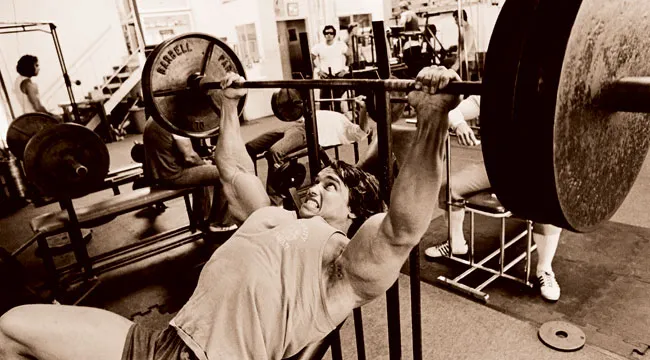
- Lifting heavier weights, major compound lifts (squats, deadlifts, bench press, rows).
- Reps in moderate range (6-12), sets multiple, focusing on muscle size (hypertrophy) and strength.
- Accessory moves to finish off smaller muscles.
Why it works:
- Builds muscle (“size”), which raises your resting metabolism.
- Gives you that “look lean and muscular” if you pair it with fat loss.
- Solid for muscle gain phases or when you’re already consistent.
When to use:
- You’ve been training a year or more and want to build size.
- Your body-fat isn’t super high and your main goal is to get stronger/more muscular.
- You have time (3-5+ sessions/week) and want to commit.
Coach tip: Many coaches say hypertrophy + strength work must be the backbone if you want muscle gain. Without it you’ll just “lose fat” but not look the way you want.
Things to watch out for:
- If you do this while eating too few calories you risk losing muscle.
- You’ll need good recovery.
- If you’re super busy or your fat-loss goal is bigger, this alone might not be optimal.
2. Circuit / High-Intensity Training (Strength + Conditioning)
What it is:
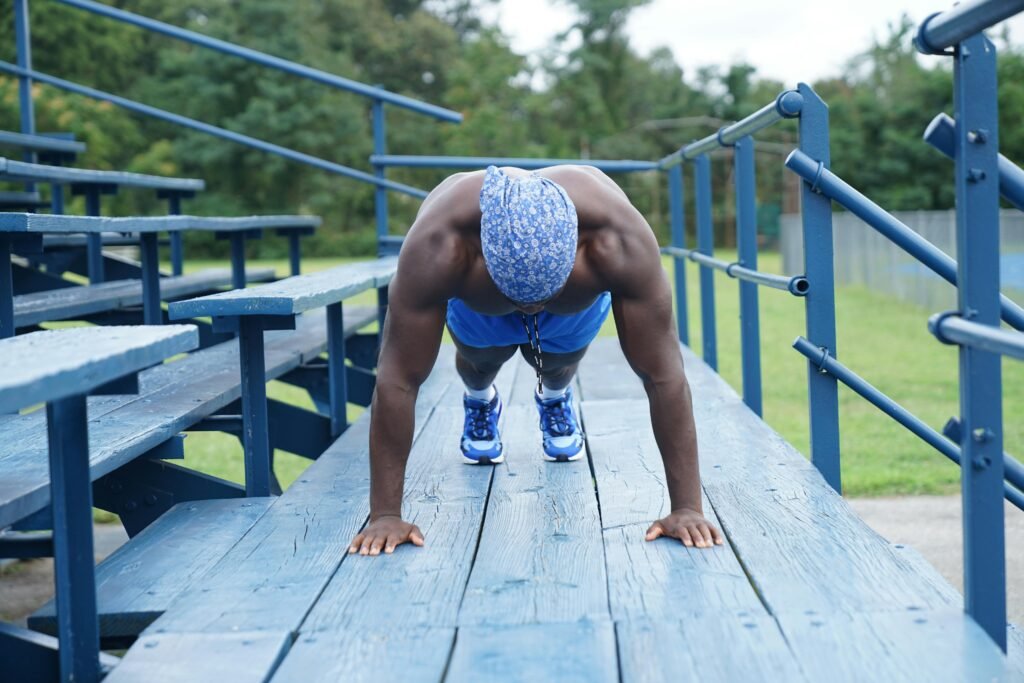
- Move fast between exercises, minimal rest, mix strength moves + bodyweight + conditioning.
- Example: squat → push-up → row → jump → rest → repeat.
- Heart rate stays up. You’re burning calories and working muscle.
Why it works:
- Good for burning fat while maintaining muscle.
- Time-efficient.
- Keeps things interesting; cardio plus strength in one.
- Research supports “concurrent training” (resistance + aerobic) for muscle gain + fat loss. (Lippincott Journals)
When to use:
- You want fat loss and muscle at the same time (body recomposition).
- You’re somewhat comfortable with lifting but want to mix it up.
- You have limited time.
- You are in a “cutting” phase (leaning out) rather than full muscle-build phase.
Things to watch out for:
- Because rest is low, you might not lift super heavy, which limits max strength gains.
- Recovery may be harder—make sure you sleep and eat well.
- Technique must stay good; fatigue increases risk of injury.
3. Functional / Movement & Mobility Focus
What it is:
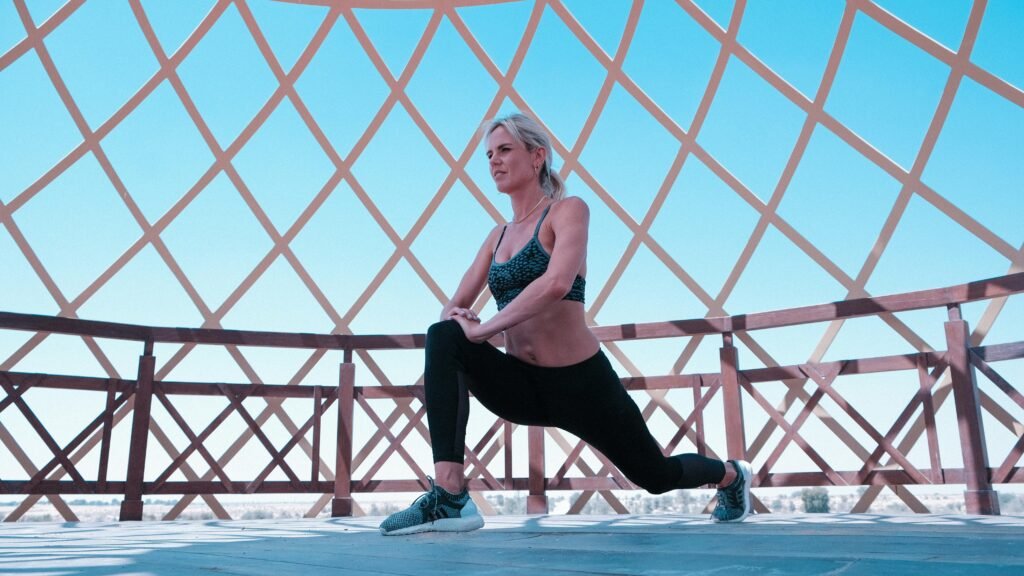
- Exercises that improve movement quality: single-leg squats, kettlebell swings, kettlebell carries, mobility drills, balance work.
- Less about pure size, more about strength, stability, health, longevity.
Why it works:
- Helps you move better; reduces injury risk.
- Great for overall health and fitness, posture, everyday performance.
- When you’re already lifting heavy, this can be your “plus” work to feel awesome.
When to use:
- You’re already relatively strong and fit, but you want to feel better, stay injury-free, push for long-term health.
- You’re in a maintenance or “feel healthier” phase, not crazy trying to add 20 lbs of muscle.
- If you train heavy already and need active recovery / cross-training.
Things to watch out for:
- If you only do this, you won’t build much muscle size.
- You may need to pair it with strength or hypertrophy work to get full effect.
4. Periodisation & Hybrid Approaches
What it is:
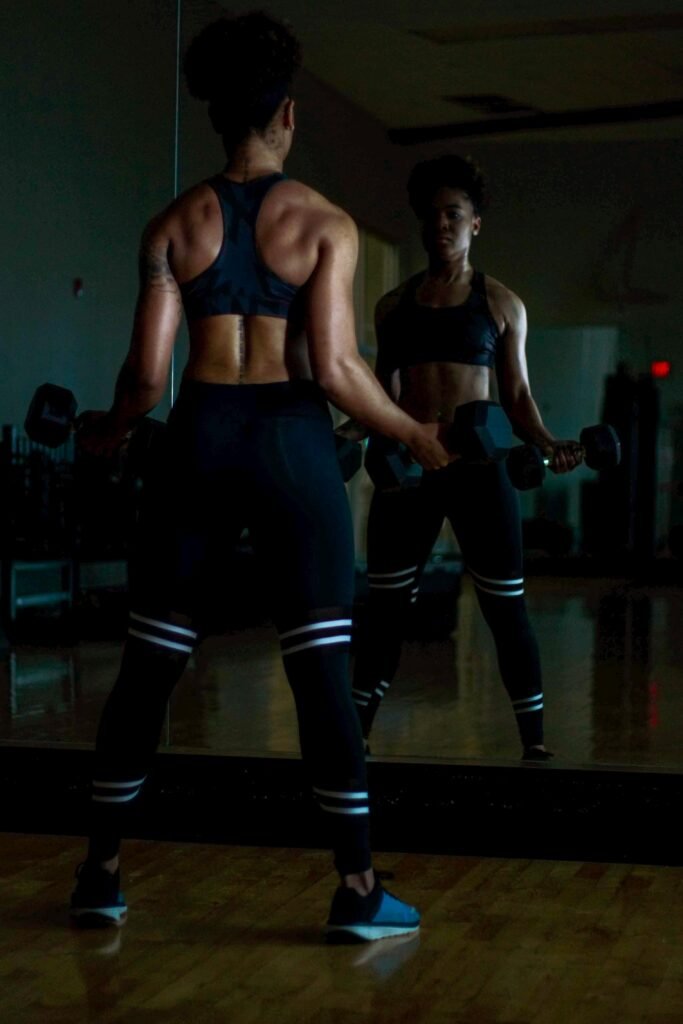
- You combine the styles above in phases or within a week. For example: 4 weeks hypertrophy focus → 2 weeks circuit/conditioning focus → 1 week mobility/active recovery.
- Or you mix: strength day, circuit day, mobility day.
Why it works:
- Keeps your body adapting (prevents plateau).
- Lets you chase multiple goals over time (muscle gain + fat loss + health).
- Many coaches recommend this when you’re past beginner and want serious results. (JM Nutrition)
When to use:
- You’ve trained for 1-2 years (intermediate) or you’re advanced.
- You want both muscle gain and fat loss, not just one.
- You’re okay changing how you train every few weeks.
Things to watch out for:
- You need to be organized: changing styles means you must adjust your nutrition, recovery.
- It might be more complex than “just lift heavy every time.”
How to Pick Your Style Based on Goal & Experience
Here’s your cheat sheet:
- If you’re a beginner (<1 year of lifting):
Start with Traditional Strength/Hypertrophy. Learn the big lifts, build muscle, build habit. - If you’re intermediate (1-3 years lifting):
Consider Hybrid/Periodised. You know your way around the gym, want muscle + fat loss. - If you’re advanced / athlete / want precision:
Use Hybrid + maybe more Circuit + mobility. Focus on fine tuning. - If your main goal is fat loss (lose fat + keep muscle):
Circuit / Strength combo is best. Prioritize calorie control + lifting. - If your main goal is muscle gain (bulk):
Strength/Hypertrophy focus. Eat more, lift heavy, recover. - If your main goal is to feel healthier / move better:
Mobility + Functional + maybe lighter strength. Health > size.
Key reminder: Your lifestyle — work, sleep, diet, stress — will decide how well you do, regardless of style. If you pick a great style but don’t sleep or eat enough, you’ll suffer.
Sample Workouts & Splits You Can Use
Here are some concrete templates. Pick one that fits your goal/style. Do it for 4-8 weeks, track progress, then switch if needed.
Traditional Strength / Hypertrophy Template
Monday (Lower Body)
- Squat 4×6-8
- Romanian Deadlift 4×6-8
- Leg Press 3×8-10
- Calf Raise 3×10-12
Wednesday (Upper Body)
- Bench Press 4×6-8
- Pull-Up (or Lat Pull) 4×6-8
- Overhead Press 3×8-10
- Dumbbell Row 3×8-10
- Biceps or Triceps accessory 2×10-12
Friday (Full Body)
- Deadlift 4×5-6
- Incline Bench 3×6-8
- Seated Cable Row 3×8-10
- Goblet Squat 3×10-12
- Core work (Planks, Russian Twists) 3×30s / 3×12
Circuit / Conditioning Template (for fat loss + muscle)
Do this 2-3 times a week:
5 rounds of:
- Goblet Squat x 12
- Push-Ups x 15
- Kettlebell Swings x 20
- Plank x 60 seconds
Rest 1–2 minutes between rounds.
Then finish with 10-15 minutes of row/air-bike/faster cardio.
Functional / Mobility Template (for health & movement)
Do this 1-2 times a week:
- Single-Leg Romanian Deadlift 3×8 each leg
- TRX Rows 3×10
- Pallof Press 3×12 (core/anti-rotation)
- Farmer’s Carry 3×60 seconds
- Mobility: Hip flexor stretch, thoracic-rotation, ankle mobility 3×15 each.
Hybrid / Periodised Sample Week
- Day 1: Heavy Strength (Squat, Bench)
- Day 2: Circuit/Conditioning
- Day 3: Mobility / Active Recovery
- Day 4: Strength (Deadlift, Overhead)
- Day 5: Circuit or Hypertrophy (Higher volume)
- Day 6: Optional walk / light cardio + mobility
- Day 7: Rest
Repeat for 4-8 weeks, then maybe switch to new focus.
Key Coaching Tips & Common Mistakes

Let’s be honest: you’ll mess up if you don’t watch these. Let’s fix that now.
- Tip: Warm up properly and use good form. If you lift heavy and use bad form, you’ll get injured, stall or both.
- Tip: Progressive overload counts—you must get stronger or do more volume. Keep a training log.
- Tip: Recovery is as important as the workout. Sleep, nutrition, stretching matter.
- Mistake: Trying to do “all the things” at once. Lift heavy, do max reps, max cardio, every day? Recipe for burnout.
- Mistake: Neglecting diet. If you train hard and eat terribly, you’ll not look the way you want.
- Mistake: Staying on the same style too long. If you never change your plan, your body will adapt and results will stall.
- Coach message: According to research, body recomposition (gain muscle + lose fat) is possible when training + diet are managed. (Lippincott Journals)
Integrating Lifestyle & Health (Because you don’t just want to look good—you want to feel good)
It’s cool to want visible muscles and lower body fat. But if you neglect health—mobility, injury prevention, sleep—you’ll pay the price. So here are the health pieces:
- Move every day: outside the gym do something—walk, stretch, chores.
- Mobility & posture work: Sitting too much? Your hips, back, shoulders will hate you. Do work that counters that.
- Sleep and stress: If you sleep poorly, your workouts suffer, your hormones go off, fat-loss stalls.
- Nutrition quality: Beyond the number of calories, eat veggies, good fats, lean proteins.
- Mindset: Training is long term. Health is long term. Don’t kid yourself you’ll get perfect in a month. It takes time.
How to Track Progress & When to Change Things
You need metrics. You need reality checks. Here’s how.
- Track strength: Are you lifting more weight or doing more reps? If yes → progress.
- Track body composition: Not just scale weight, but how clothes fit, how you look.
- Check how you feel: Energy, recovery, mood, mobility.
- Every 6-12 weeks review: Are you still improving? If not, maybe change your style.
When to switch or adjust:
- If you’re plateaued (no strength increase + no body change) → change plan/style.
- If you’re bored or hate the workouts → you won’t stick with it → change.
- If your goal changes (you now want fat-loss instead of muscle gain, or vice versa) → shift style/nutrition.

Realistic rates:
Coaches say: losing fat slower (~0.5-1% bodyweight per week) or gaining muscle slower (~0.5-1 lb/month for intermediate) is the norm. (Precision Nutrition)
Don’t expect insane changes overnight. Expect steady progress.
Final Action Plan & Next Steps
Here’s what you do starting today:
- Choose your path:
- Want to build size? → Strength/Hypertrophy.
- Want to lose fat & keep muscle? → Circuit/Strength combo.
- Want overall health & movement? → Functional/Mobility + some strength.
- Pick a 4-week plan from above (the one that matches your goal). Write it down. Commit.
- Track one metric (lift strength, body composition, how clothes fit) weekly.
- Eat enough protein, move every day, sleep well. (If you skip these, you screw your results.)
- After 4–8 weeks review: Are you better? If yes, keep going. If not, switch style or adjust diet/recovery.
Conclusion
No magic. No hype. If you want to build muscle, lose fat and feel healthier—you pick a smart training style, you do the work, you eat smart, you recover, and you keep going.
You’re not competing in a month. You’re building something for life.
So pick the plan. Show up. Lift. Move. Recover. Repeat.
And remember: the best workout guide doesn’t sit in your head—it’s in your actions.
Let’s do this.