
Choosing the right training shoes can boost performance, prevent injury, and make every workout more effective. Here’s your ultimate 2025 guide to picking the perfect training shoes for running, lifting, HIIT, and more.
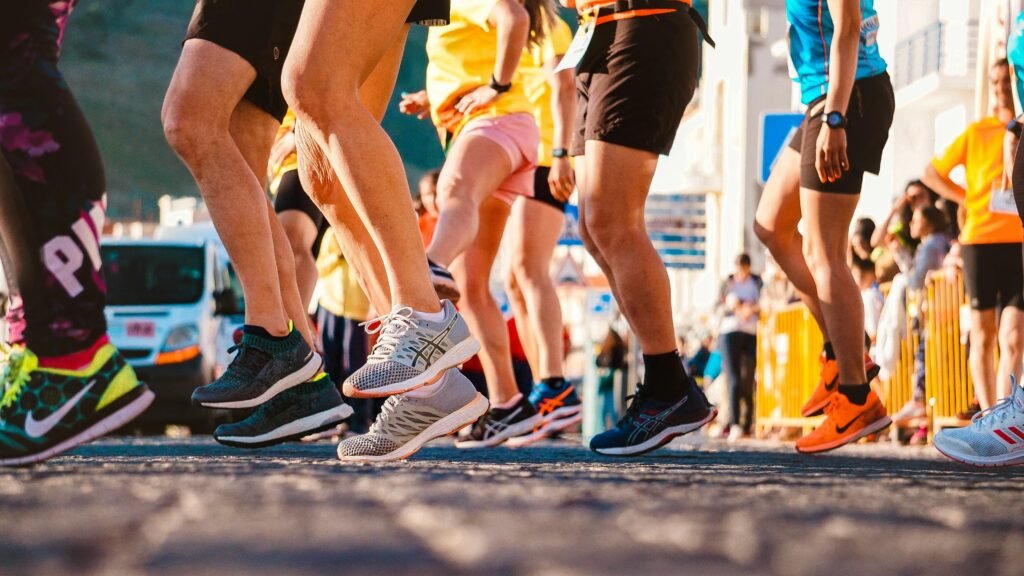
Why the Right Training Shoes Matter
You might not think much about your shoes until your feet start hurting—or worse, until your form starts slipping during a workout. The truth is, your training shoes can make or break your performance. They influence your balance, stability, and even your risk of injury.
Think of them as your foundation. Whether you’re sprinting, lifting, jumping, or walking, the right pair of shoes keeps your feet protected while helping you move efficiently. Unfortunately, most people wear one pair of sneakers for everything, from deadlifts to treadmill runs. That’s like trying to play basketball in hiking boots—technically possible, but far from ideal.
In this guide, we’ll break down everything you need to know about choosing the best training shoes for your activity—so you can perform better, stay comfortable, and look good doing it.
Understanding Your Training Style
Before you even look at brands or styles, the first step is knowing what kind of training you actually do.
Identify Your Primary Activity
Different workouts demand different things from your shoes:
- Weightlifting: Needs a firm, stable sole for maximum power transfer.
- Running: Requires cushioning and shock absorption.
- HIIT/CrossFit: Demands flexibility, traction, and support for multi-directional movement.
- Walking: Prioritizes comfort and arch support.
If your week mixes these activities, you might need cross-training shoes that offer a balanced blend of stability and cushioning.
Frequency and Intensity Matter
How often and how hard you train affects what kind of shoe you should buy.
- A daily runner will need durable soles and ample cushioning.
- A casual gym-goer may get away with a more general-purpose trainer.
If you train multiple times per week, it’s often worth rotating between two pairs—one for cardio-based workouts and another for lifting or stability work.
Training Environment
Where you train also plays a big role:
- Indoor gyms usually have smooth floors, so traction is less critical but cushioning and stability are.
- Outdoor workouts (parks, tracks, fields) demand more grip and weather resistance.
- Turf or court workouts need shoes that handle quick lateral moves without slipping.
Anatomy of a Good Training Shoe
Understanding shoe design helps you make smarter decisions when comparing models.
Cushioning and Support
Cushioning protects your joints and muscles from impact. Some shoes, like running shoes, have more padding to absorb repeated shock. Others, like lifting shoes, keep things firm and flat to maximize force transfer.
Pay attention to heel-to-toe drop — the difference in height between heel and toe.
- High drops (8–12mm) favor runners and heel strikers.
- Low or flat drops (0–4mm) promote stability for lifts or HIIT.
Stability and Flexibility
A good trainer balances flexibility in the forefoot with firmness in the heel.
- Too flexible = unstable for heavy lifts.
- Too rigid = uncomfortable for dynamic movements.
Traction and Outsole Design
The tread on the outsole provides grip.
- For turf or outdoor workouts, you want deeper patterns.
- For indoor gyms, flatter soles provide better stability.
Good traction keeps you grounded during box jumps, sprints, or lunges.
Breathability and Material Quality
Your feet generate heat and moisture during workouts. Look for mesh uppers or engineered knit designs that let air flow. Synthetic overlays can add durability without adding too much weight.
Bonus tip: remove insoles after your workouts to help them dry faster and prevent odor.
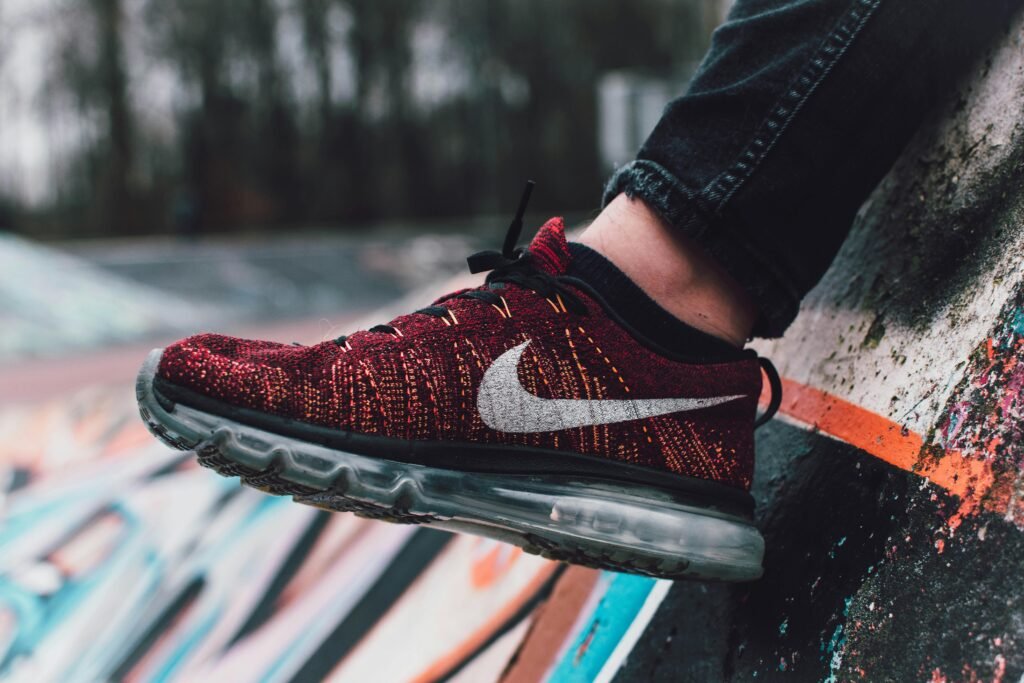
Matching Shoe Types to Activities
Here’s where we break it down by activity so you can match your training goals to the perfect shoe type.
Weightlifting
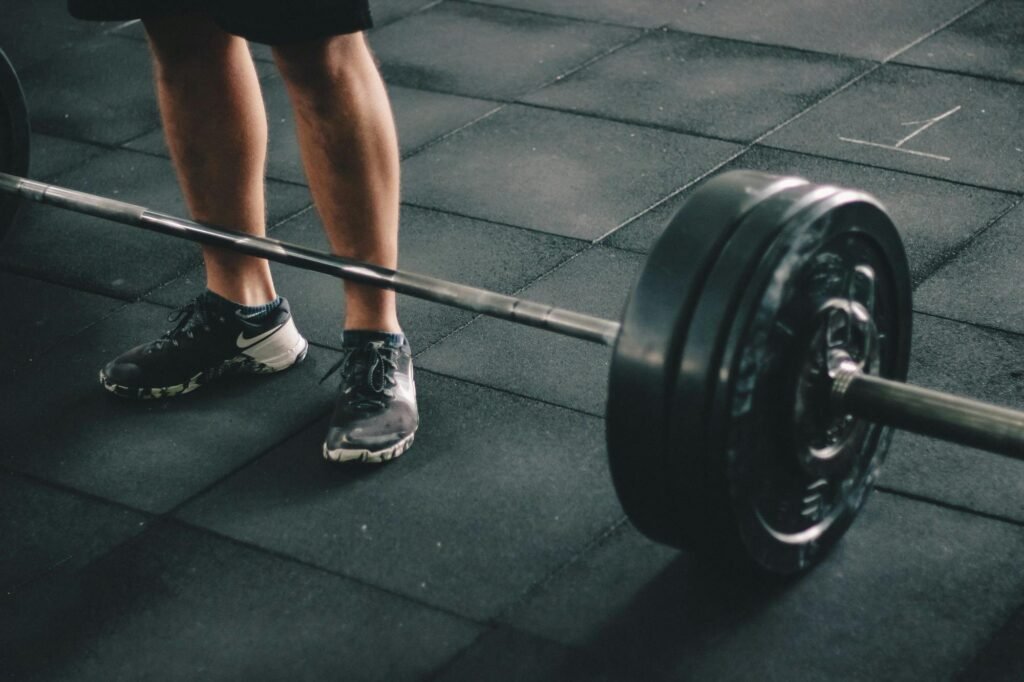
What to look for:
- Flat, non-compressible sole
- Solid heel (often raised) for squats and Olympic lifts
- Locked-in feel
Best picks:
- Nike Metcon 10 – perfect blend of firmness and versatility.
- Reebok Legacy Lifter III – for serious lifters.
- Adidas Powerlift 5 – affordable and dependable.
Why it matters:
A stable shoe helps you push force into the ground, improving power and safety during heavy lifts.
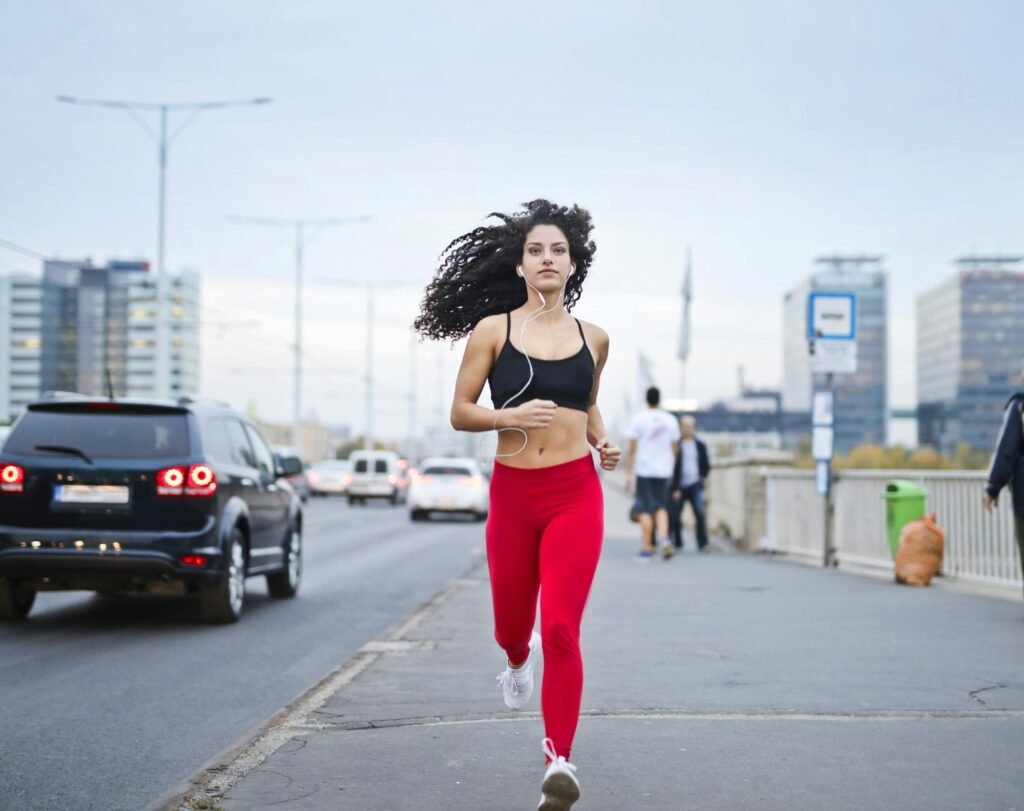
Running

What to look for:
- Ample cushioning
- Breathable upper
- Smooth heel-to-toe transition
Best picks:
- Asics Gel-Nimbus 26 – plush cushioning for long runs.
- Nike Pegasus 41 – reliable all-around trainer.
- Brooks Ghost 15 – great for neutral runners.
Why it matters:
Running shoes absorb repeated impact, reduce stress on joints, and support your natural stride. Avoid using them for lifting—they’re too soft for stable footing.
HIIT & CrossFit
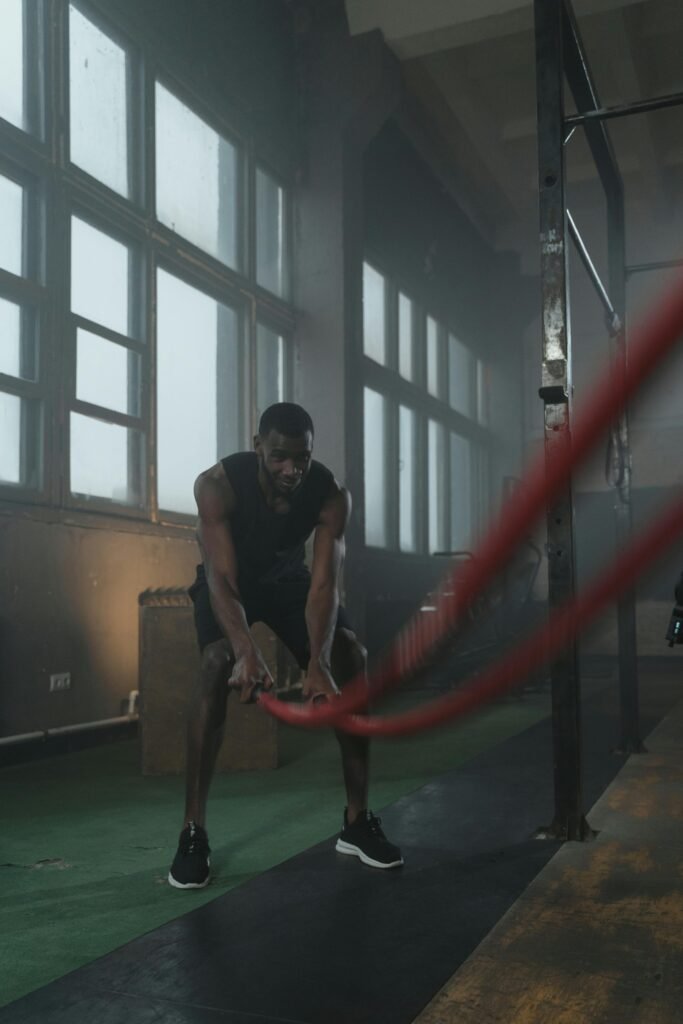
What to look for:
- Flexible forefoot
- Durable outsole
- Lateral stability for quick moves
Best picks:
- Reebok Nano X4 – built for all-around performance.
- Under Armour HOVR Rise 4 – great grip and cushion combo.
- Nike Free Metcon 5 – flexibility meets structure.
Why it matters:
HIIT shoes need to do it all—jump, sprint, and lift. Cross-training models are ideal for mixed sessions.
Walking and Light Cardio

What to look for:
- Soft cushioning
- Moderate arch support
- Lightweight build
Best picks:
Why it matters:
Walking shoes should feel like an extension of your foot—comfortable for hours but supportive enough to maintain posture.
Sports-Specific Training
If you play basketball, soccer, or tennis, go for shoes designed for that sport.
- Basketball shoes: ankle support, strong traction.
- Soccer turf shoes: specialized grip pattern.
- Tennis shoes: durable lateral support for side-to-side movement.
Fitting and Testing Before You Buy
Even the best shoe model won’t help if it doesn’t fit your foot properly.
Proper Fit 101
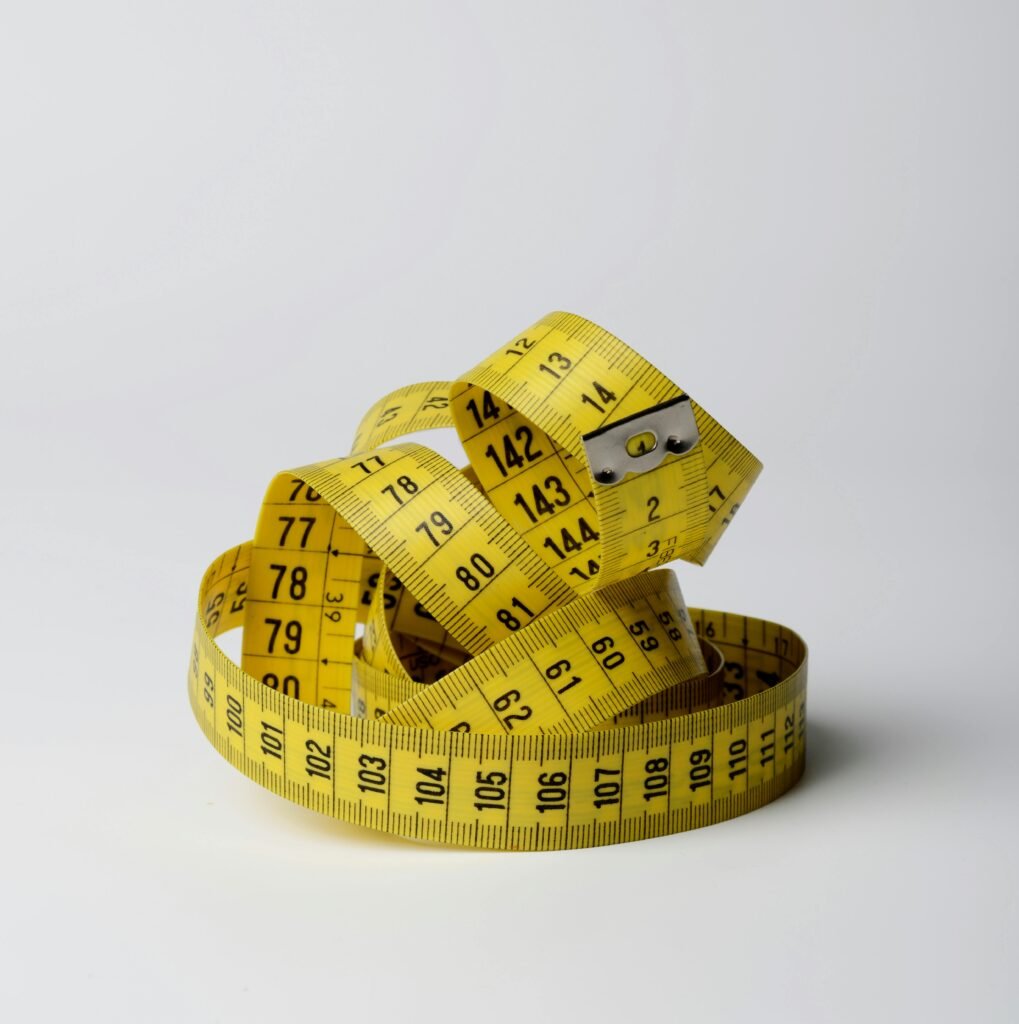
- Measure both feet—many people have one slightly larger foot.
- Aim for a thumb’s width of space in front of your toes.
- The shoe should hug your heel without slipping.
Tip: Try shoes later in the day since your feet swell throughout the day.
Try-Before-You-Buy Checklist
When testing shoes:
- Do a few squats and jumps. Does the heel lift or slip?
- Jog in place. Check for rubbing or pressure points.
- Lateral shuffle. Ensure stability side-to-side.
If anything feels “off,” it will only get worse during real training.
Online Buying Tips
Shopping online?
- Check size charts carefully—brands vary slightly.
- Look for free return policies.
- Read real user reviews to identify sizing quirks or durability issues.
Budget vs. Performance
Training shoes range from $60 to $200+, but more expensive doesn’t always mean better.
When to Invest
If you train 4–5 times a week or do intense workouts, investing in high-quality shoes is worth it. They’ll last longer and protect your joints.
For casual or beginner athletes, mid-tier shoes (around $80–$120) often strike the perfect balance.
How to Spot Marketing Hype
Ignore buzzwords like “energy return” or “dynamic stability” without real-world testing. Focus on fit, support, and comfort first. Features that sound fancy but don’t translate into performance aren’t worth the extra cost.
Longevity Tips
To get the most out of your shoes:
- Rotate pairs: Let shoes recover between workouts.
- Clean regularly: Wipe dirt and sweat after sessions.
- Store properly: Keep them in a dry, cool place—never in your gym bag long-term.
A well-maintained pair can last 6–12 months depending on intensity and surface type.
Best Overall Picks by Category (2025 Edition)
Here’s a quick roundup of the top performers this year:
| Category | Best Shoe | Why It Stands Out |
| Weightlifting | Nike Metcon 10 | Flat, firm base, great grip |
| Running | Asics Gel-Nimbus 26 | Plush cushioning and smooth ride |
| Cross-Training | Reebok Nano X4 | Durable and versatile for HIIT/lifting |
| Budget Pick | Under Armour Charged Commit | Great stability for under $90 |
| Everyday Style | On Cloud X 3 | Lightweight, stylish, and functional |
Each of these options combines form and function, making them great choices whether you’re just starting or training competitively.
Final Thoughts: Comfort Over Hype
The “best” training shoe is the one that fits your body and your training style. Don’t get caught up in trends or brand loyalty—focus on how the shoe feels and performs for you.
To recap:
- Know your training goals and environment.
- Understand shoe anatomy—cushioning, support, traction, and fit.
- Test before buying (or check reviews carefully if shopping online).
- Invest in quality where it counts—especially if you train regularly.
When your shoes match your movement, every workout feels easier, safer, and more powerful. So take the time to find your perfect pair—your feet (and your gains) will thank you.
Conclusion
Now that you know how to choose the best training shoes, check out my top affiliate picks below and start training smarter. Whether you’re hitting PRs, running miles, or crushing HIIT workouts, the right footwear will carry you every step of the way.